

Astoria, New York, July 17, 2026— As part of the “Halaqah Across Canada and USA”program, Dompet Dhuafa USA, in collaboration with Indonesian Muslim Association in America (IMSA) Youth, invited Murniati Mukhlisin, widely known as Madam Ani, to deliver an Islamic study session through the “NgajiPark”program, focusing on Islamic family finance.

The session was held at Masjid Al Hikmah Mosque in Astoria, New York, one of the centers of Indonesian Muslim community activities in the United States. The masjid is also known for one of its imams, Imam Shamsi Ali, who is actively involved in Islamic preaching and community development among Muslims in New York.
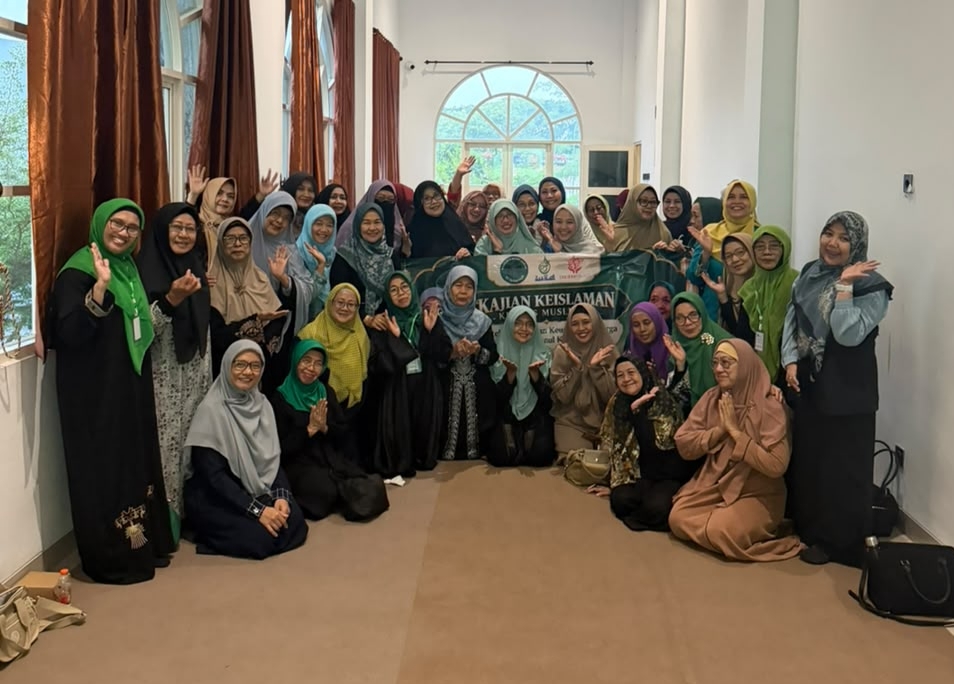
Attended by approximately 20 participants, the session featured an interactive discussion on the application of Islamic economic principles in daily life. One of the participants, Ahmad, shared his perspective that current Islamic banking practices appear to be not significantly different from conventional banking.
Responding to this concern, Madam Ani explained that a similar perception had already been addressed in the Qur’an, particularly in Surah Al-Baqarah (2):275, where some people in the past equated trade with riba (interest/usury).
Allah SWT says: “They say, ‘Trade is just like interest.’ But Allah has permitted trade and forbidden interest (Qālū innamā al-bay‘u mithlu al-ribā; wa aḥalla Allāhu al-bay‘a wa ḥarrama al-ribā).”
According to Madam Ani, the fundamental difference between Islamic and conventional financial transactions lies in the underlying contracts (aqad) and the principles governing those transactions.
“The commercial and social contracts applied in Islamic finance are among the main distinguishing factors between Islamic financial institutions and conventional ones. A sale-and-purchase contract has a different nature from an interest-based transaction. Therefore, understanding the underlying contracts is essential to understanding Islamic finance,” explained Madam Ani. She further emphasized that Islamic finance differs not only in terms of contractual structures but also in the ethical principles governing the management of funds.
“Islamic financial institutions around the world operate based on the principle that customers’ funds should not be managed in businesses that contradict Islamic values, such as alcohol, non-halal food and beverages, pornography and prostitution, weapons and military equipment, as well as tobacco and illegal drugs. Isn’t it wonderful when our money is managed in a clean and beneficial way?” said Madam Ani.
Furthermore, Madam Ani highlighted that Islamic finance is not merely about changing the names of financial products, but rather represents a system that integrates economic principles, ethical values, and social responsibility. According to her, wealth management in Islam should bring barakah (blessing) and generate broader benefits for individuals, families, and society.

The NgajiPark session concluded with a special discussion featuring Ahmad Juwaini, Executive Director of Dompet Dhuafa, who shared the organization’s long-standing contributions in addressing humanitarian and social challenges in Indonesia.
Source: Sakinah Finance Public Relations